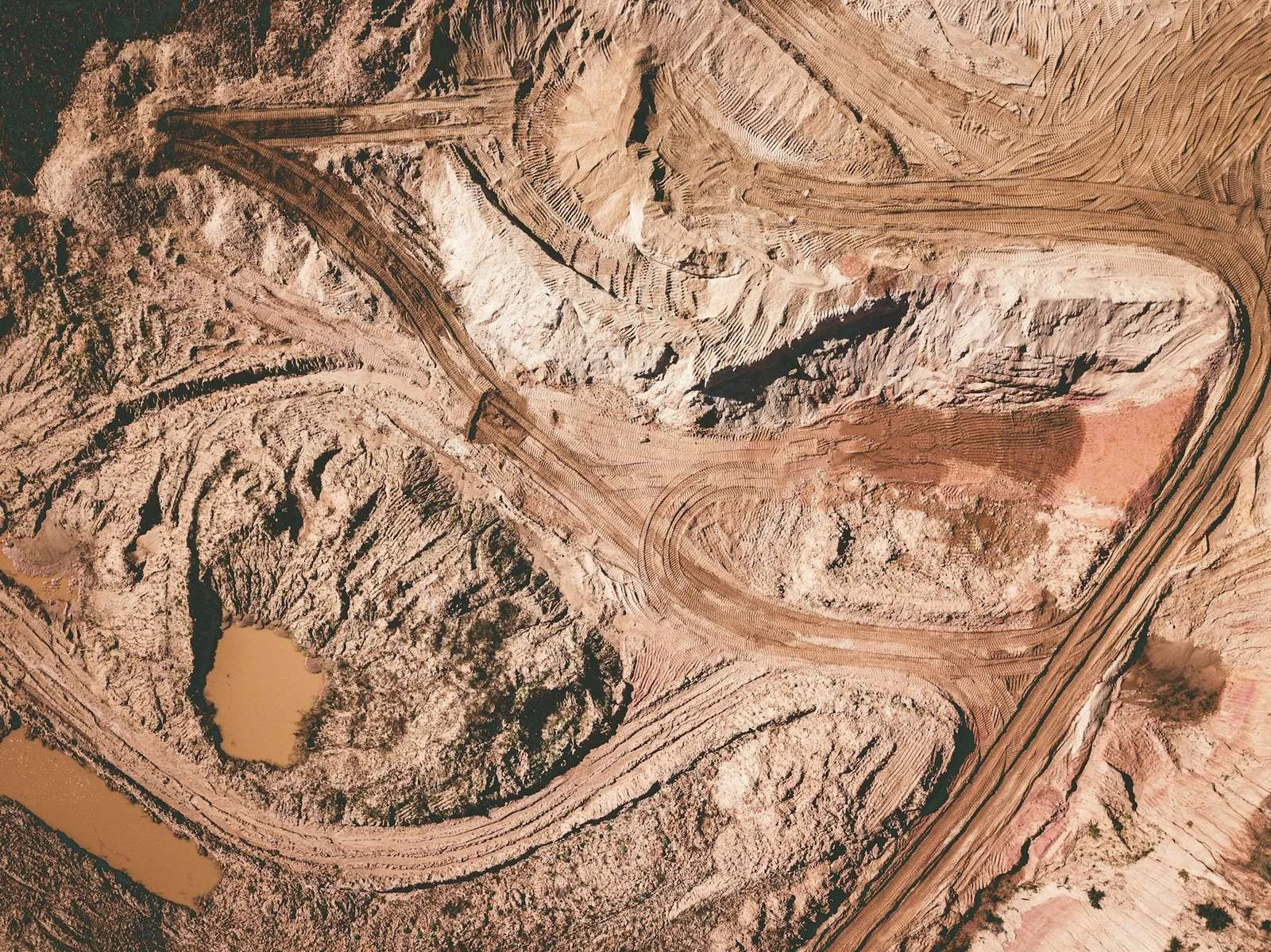
Life Cycle Assessment (LCA) and product carbon footprint
A study of the product life cycle from raw material extraction to final disposal, under ISO 14067 and ISO 14040/14044. Essential for CBAM, environmental labeling and EPDs.
Companies that trust Mangue Tech







Consulting + Platform
Operational data becomes auditable ESG indicators.
Specialist consulting that understands product carbon footprint. A platform that automates the calculation, versions the data and exports it in the format the regulator requires.
Consultoria
ESG data and compliance management, with a specialist who knows your sector.
Plataforma
Our own software, automating calculations, indicators and exports.
Auditable reports
GHG inventory, decarbonization plan and reports ready for the auditor.
Less time
Automated collection vs. manual spreadsheet.
Global frameworks
IFRS, CSRD, CBAM, GRI, SASB, GHG, CDP…
Emission factors
IPCC, DEFRA, MCTI, EPA, Ecoinvent.
How Mangue works
4 steps. From diagnosis to an auditable report.
Diagnosis
Find out which ESG risks affect your business and what the regulator will require.
Estrutura
Organized data, defined processes and everything ready for any verification.
Operation
Emission calculations, decarbonization targets and continuous monitoring.
Auditable reports
Active compliance with IFRS, CSRD, CBAM, GRI, SASB and GHG Protocol.
Mangue deliverables for product carbon footprint
Every delivery is a complete package: consultant + platform + auditable report. Click to see how we apply it.
The service
What it is.
The product carbon footprint (CFP) quantifies GHG emissions across the entire life cycle of a product or service. ISO 14067 sets the principles, requirements and guidelines for that quantification, building on ISO 14044 (LCA).
The study can be cradle-to-gate (from extraction to the factory gate) or cradle-to-grave (including distribution, use and end of life). The choice depends on the goal: CBAM requires production emissions, while EPDs and environmental labeling call for the full life cycle.
Mangue Tech runs the full study: defining scope and functional unit, collecting primary process data, filling gaps with secondary databases (ecoinvent, GaBi) and producing the technical report ready for verification.
"Today we can say we have consistent, organized data that lets us keep improving going forward. That's the platform's main role: giving us visibility into something that wasn't visible to everyone before."


Frequently asked questions
Common questions.
What is the difference between cradle-to-gate and cradle-to-grave?
Do I need data from every supplier?
Does the study meet the CBAM requirement?
Does Mangue certify or verify the product footprint?
How long does an LCA study take?
Who answers is who delivers.
Diagnostics, scope and proposal on the same day. Straight with the specialist who will run the project.