
EUDR: the European regulation against deforestation
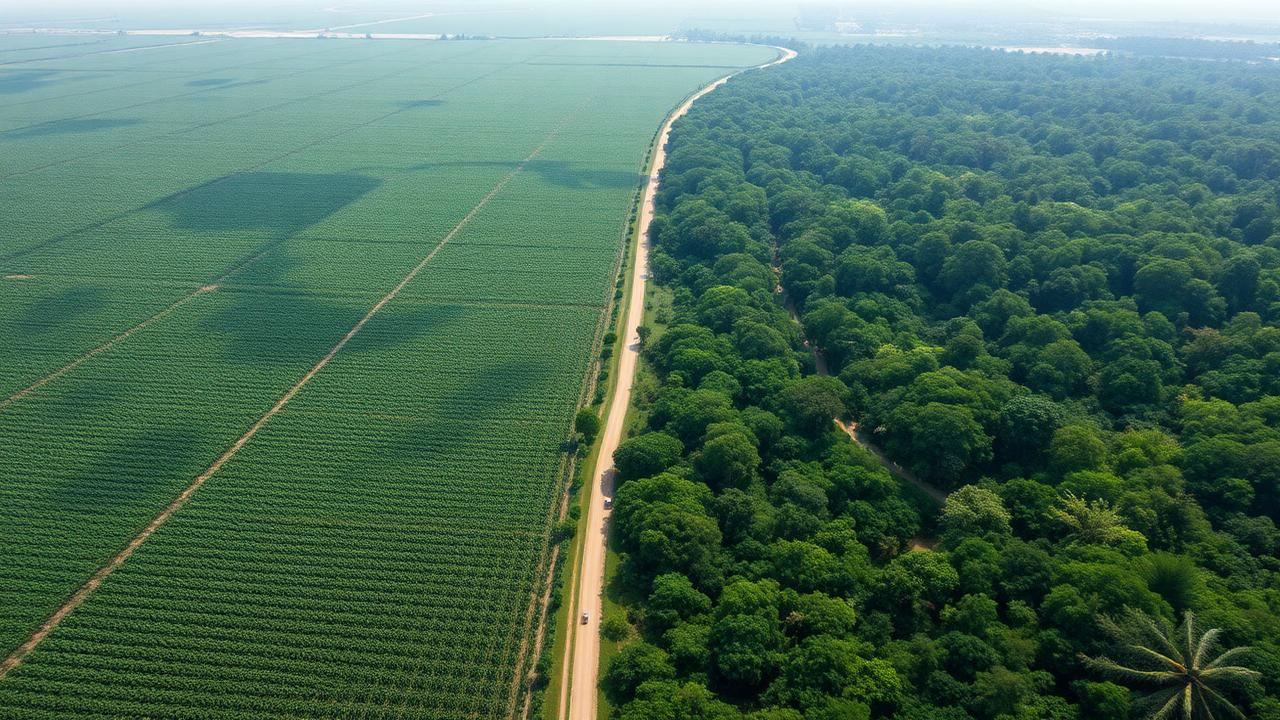
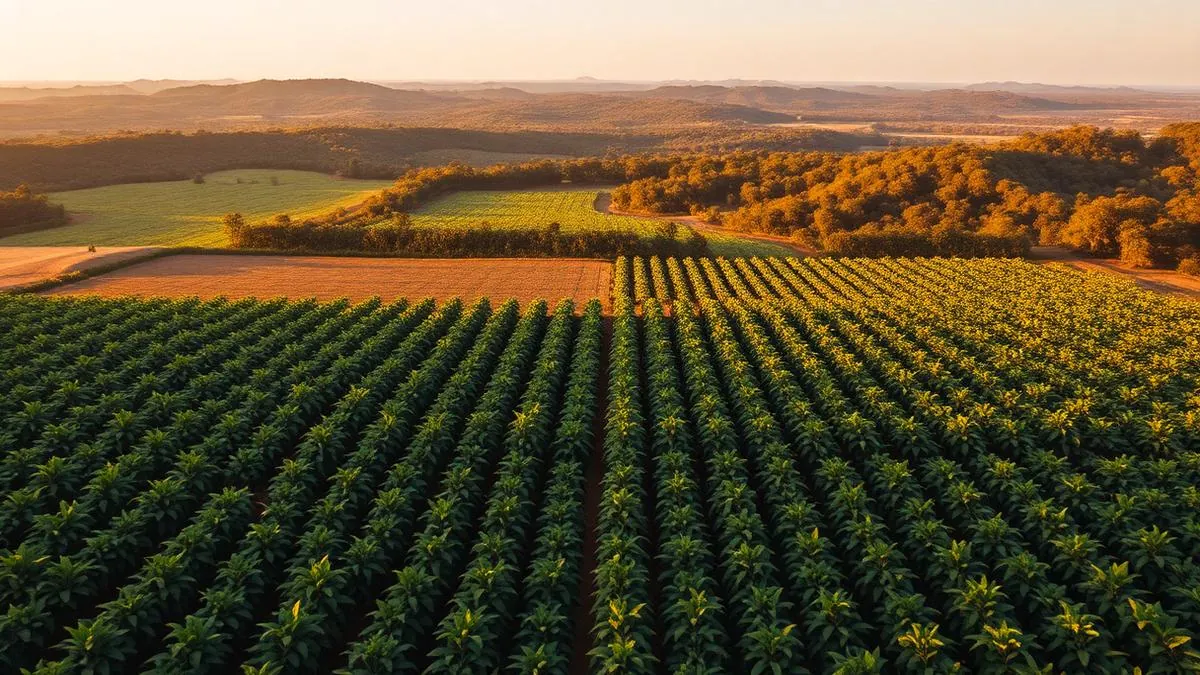
Exporters of soy, coffee, cocoa, beef, timber, rubber and palm oil to the EU have to prove traceability and zero deforestation. Mangue Tech helps structure the environmental due diligence.
Companies that trust Mangue Tech










Consulting + Platform
Operational data becomes auditable ESG indicators.
Specialist consulting that understands EUDR. A platform that automates the calculation, versions the data and exports it in the format the regulator requires.
Consultoria
ESG data and compliance management, with a specialist who knows your sector.
Plataforma
Our own software, automating calculations, indicators and exports.
Auditable reports
GHG inventory, decarbonization plan and reports ready for the auditor.
Less time
Automated collection vs. manual spreadsheet.
Global frameworks
IFRS, CSRD, CBAM, GRI, SASB, GHG, CDP…
Emission factors
IPCC, DEFRA, MCTI, EPA, Ecoinvent.
How Mangue works
4 steps. From diagnosis to an auditable report.
Diagnosis
Find out which ESG risks affect your business and what the regulator will require.
Estrutura
Organized data, defined processes and everything ready for any verification.
Operation
Emission calculations, decarbonization targets and continuous monitoring.
Auditable reports
Active compliance with IFRS, CSRD, CBAM, GRI, SASB and GHG Protocol.
Mangue deliverables for EUDR
Every delivery is a complete package: consultant + platform + auditable report. Click to see how we apply it.
Frameworks we apply
The framework
What it is, and why it matters.
The EUDR (Regulation 2023/1115) is the European Union regulation that bans imports of commodities linked to deforestation. It came into force in June 2023, with a transition period running to December 2025 for large companies and June 2026 for SMEs.
The seven commodities covered are soy, coffee, cocoa, beef, timber, rubber and palm oil, plus derived products (leather, chocolate, furniture, paper and so on). The exporter has to show that production caused no deforestation after December 31, 2020.
Due diligence takes three steps: gathering information (plot geolocation, production date), risk assessment (deforestation analysis from satellite imagery) and risk mitigation (corrective action where needed). Without that evidence, the product does not enter the EU.
At scale
When the standard updates, the calculation engine is already up to date.
supported frameworks
GHG Protocol, CSRD, IFRS S2, CDP, GRI, SASB, CBAM, SBCE. One single database.
emission factors
IPCC, DEFRA, MCTI, EPA, Ecoinvent. All versioned, with source, year and gas.
scopes covered
Scopes 1, 2, 3 and biogenic. Operational and financial. Everything goes in.
Aplicabilidade
Who it applies to.
- Exporters of soy, coffee, cocoa, beef, timber, rubber and palm oil to the European Union.
- Traders and cooperatives that handle commodities bound for Europe.
- Meatpackers and beef processors with clients in the EU.
- Paper, pulp and furniture companies that export timber-derived products.
How we deliver
From source to auditor.
We structure the due diligence system the EUDR requires: geolocation collection, supply chain mapping and the risk assessment process.
We bring in satellite monitoring data to verify zero deforestation after 2020, with traceable documentation for every exported batch.
We prepare the due diligence statement in the format the European system requires, with a complete audit trail for inspections.

'%3e%3cpath%20d='M377%2061.5156C364.411%2041.3125%20342.922%2028%20318.492%2028C294.062%2028%20272.589%2041.3125%20260%2061.5156H267.329C279.062%2045.0313%20297.625%2034.3906%20318.492%2034.3906C339.359%2034.3906%20357.923%2045.0469%20369.671%2061.5156H377ZM261.011%20146.078C273.709%20165.375%20294.716%20178%20318.492%20178C342.269%20178%20363.276%20165.391%20375.973%20146.078H368.488C356.725%20161.641%20338.69%20171.609%20318.477%20171.609C298.263%20171.609%20280.26%20161.656%20268.465%20146.078H261.011Z'%20fill='%235EA0E0'/%3e%3cpath%20d='M277.319%20114.563C270.301%20114.563%20264.31%20108.734%20264.31%20101.828C264.31%2094.9219%20270.301%2089.125%20277.319%2089.125C281.022%2089.125%20284.446%2090.7031%20286.826%2093.2344L283.014%2096.6719C281.598%2095.0156%20279.56%2093.9219%20277.303%2093.9219C273.211%2093.9219%20269.71%2097.5625%20269.71%20101.844C269.71%20106.125%20273.195%20109.797%20277.303%20109.797C279.56%20109.797%20281.567%20108.688%20283.014%20107.047L286.826%20110.484C284.43%20113%20281.022%20114.594%20277.319%20114.594V114.563ZM290.639%20114.141V89.5469H303.041C307.413%2089.5469%20310.447%2092.125%20310.447%2095.7031C310.447%2098.2188%20309.203%20100.031%20307.024%20101.188C309.872%20102.469%20311.521%20104.766%20311.521%20107.484C311.521%20111.422%20308.176%20114.141%20303.492%20114.141H290.623H290.639ZM295.883%2099.4688H301.733C303.694%2099.4688%20305.079%2098.3281%20305.079%2096.75C305.079%2095.1719%20303.694%2094.0625%20301.733%2094.0625H295.883V99.4688ZM295.883%20109.625H302.543C304.643%20109.625%20306.137%20108.375%20306.137%20106.625C306.137%20104.875%20304.628%20103.625%20302.543%20103.625H295.883V109.641V109.625ZM333.648%20114.141L332.077%20110.281H321.169L319.597%20114.141H313.715L323.689%2089.5469H329.571L339.546%20114.141H333.617H333.648ZM322.989%20105.797H330.256L326.63%2096.8125L323.005%20105.797H322.989ZM343%20114.141V89.5469H348.244L355.838%20103.437L363.4%2089.5469H368.675V114.141H363.4V98.8281L355.838%20112.719L348.244%2098.8281V114.141H343Z'%20fill='%235EA0E0'/%3e%3c/g%3e%3cdefs%3e%3cclipPath%20id='clip0_5813_35883'%3e%3crect%20width='117'%20height='150'%20fill='white'%20transform='translate(260%2028)'/%3e%3c/clipPath%3e%3c/defs%3e%3c/svg%3e)

The IFRS S1 & S2 Roadmap: the 12 decisions your CFO must make before 2027
A practical guide for CFOs, IR Directors, Controllers and Accounting. ~15 min read, straight to your inbox.